

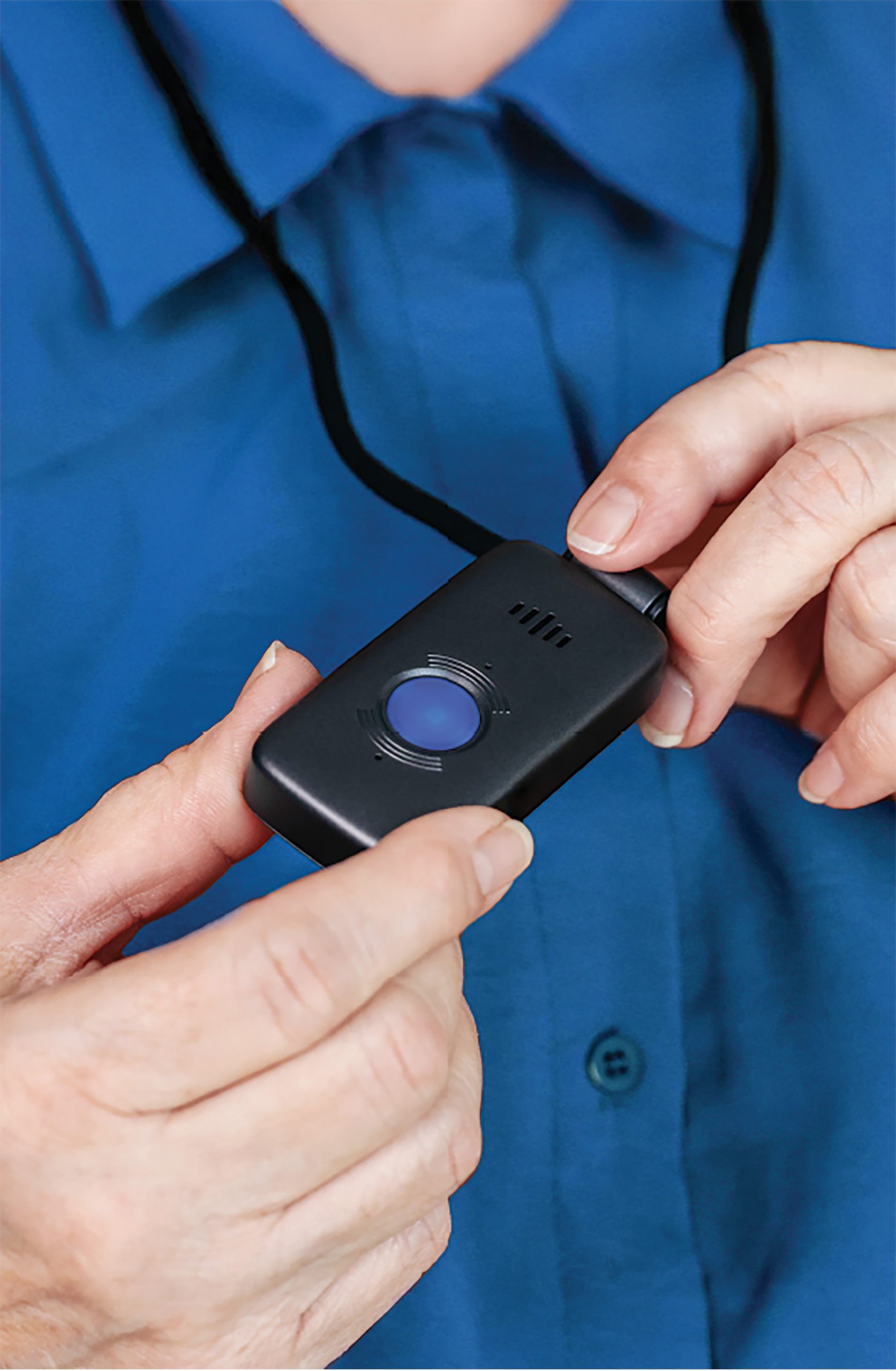
You’re at work, or maybe just running errands, when a quiet worry creeps in: What if Mom falls and can’t reach her phone? It’s one of the most common fears among family caregivers — and for good reason. Falls are the leading cause of injury among older adults, and the time between a fall and getting help can make all the difference in recovery. That’s why so many caregivers are researching fall detection for seniors as part of a broader safety plan. If you’re new to the topic, this guide will walk you through how it works, what to look for, and whether it might be the right fit for your family.
What Is Automatic Fall Detection?
Automatic fall detection is a technology built into certain medical alert devices that can sense when a person has fallen — and send an alert for help — even if that person is unable to press a button themselves. That last part is crucial. Many people who fall experience confusion, unconsciousness, or simply can’t reach their device in time to call for help manually.
A device with automatic fall detection removes that barrier. It works in the background, continuously, without requiring your loved one to do anything. If a fall is detected, the device can immediately connect to a monitoring center or notify designated family members.
How Does Fall Detection Technology Actually Work?
Most automatic fall detection devices use a combination of sensors to monitor movement. Here’s what’s typically happening inside the device:
- Accelerometers measure changes in speed and direction of movement — the kind of sudden, downward motion associated with a fall.
- Gyroscopes track orientation, helping the device distinguish between normal activity like sitting down or bending over versus an actual fall.
- Algorithms process all of that sensor data in real time, filtering out everyday movements and flagging only those that match the signature pattern of a fall.
When the device detects a likely fall, it typically triggers an alert automatically. Depending on the system, this might activate a two-way voice call with a monitoring center, send a push notification to a family member’s phone, or both.
It’s worth being honest here: no fall detection technology is 100% accurate. Occasional false alarms can happen, and some real falls may go undetected depending on how the person landed or how they were wearing the device. That said, for many families, even imperfect automatic detection is far better than relying solely on a loved one to press a button in a moment of crisis.
Why Fall Detection Matters — The Numbers Tell the Story
Falls are not a minor concern. According to the Centers for Disease Control and Prevention, falls are the leading cause of fatal and non-fatal injuries for people 65 and older. More than one in four older adults falls each year, but fewer than half tell their doctor.
One of the most serious complications isn’t always the fall itself — it’s the time spent on the floor waiting for help. Extended time on the floor after a fall, sometimes called a “long lie,” is associated with dehydration, pressure injuries, pneumonia, and significant psychological distress. Fast response matters enormously.
This is precisely why fall detection for seniors has become one of the most requested features in medical alert technology. It bridges the gap between a fall happening and help arriving, particularly for seniors who live alone or spend portions of the day without a caregiver present.
The Safety+ Ultra: Built for Real Life
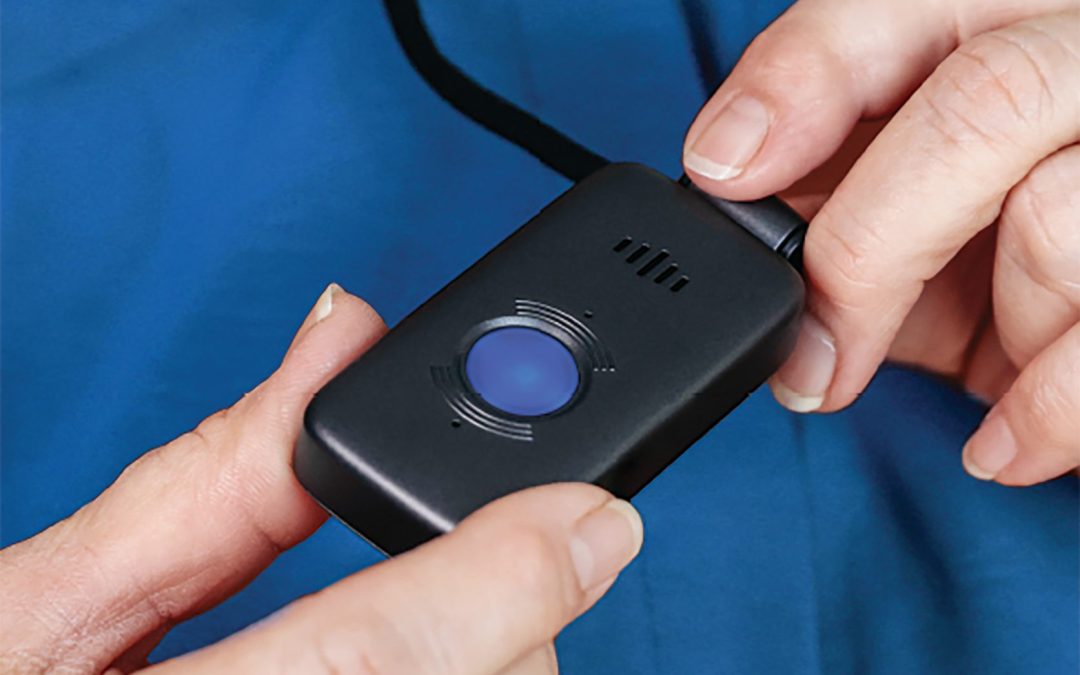
The Safety+ Ultra is My Connected Caregiver’s medical alert device designed with automatic fall detection built in. It’s a lightweight, wearable device your parent can take with them throughout their day — not something that stays plugged in by the bed.
Key features include:
- Automatic fall detection that works without any action required from the wearer
- GPS location tracking, so help can find your loved one whether they’re at home or out in the community
- Two-way voice communication directly through the device
- Long battery life designed for all-day, everyday wear
- Water resistance so it can be worn in the bathroom, where falls are especially common
The bathroom detail matters. Many falls happen during everyday activities like showering or getting up in the middle of the night. A device that’s only worn some of the time can’t protect against the moments it isn’t on.
Fall Detection Alone May Not Be Enough
Automatic fall detection is a powerful safety tool, but it works best as part of a layered approach. That’s why many families pair a wearable medical alert device with a passive home monitoring solution like StackCare.
StackCare uses small sensors placed around the home — no cameras, no wearables — to learn your parent’s typical daily patterns. If something seems off, like unusual stillness during a time they’re normally active, or activity at an unexpected hour, it sends a gentle alert to family members. It’s not about surveillance. It’s about giving you a quiet, background awareness of how your parent is doing day to day.
Together, a wearable with fall detection and a passive monitoring system give you coverage that neither solution offers alone.
What to Look for When Choosing a Fall Detection Device
If you’re comparing options for your parent, here are the practical questions worth asking:
- Is fall detection automatic, or does it require button press? True automatic detection works without any action from the wearer.
- Does it work outside the home? GPS capability is important for active seniors who leave the house regularly.
- Can it be worn in the shower? Water resistance is a must, given how many falls happen in bathrooms.
- What happens when a fall is detected? Understand the response chain — monitoring center, family notification, or both.
- What are the monthly costs, and is there a contract? Look for transparent pricing with no long-term commitment required.
- Is there a trial period? A free first month lets you and your parent test the device in real life before fully committing.
My Connected Caregiver offers plans starting at $40/month with the first month free and no long-term contracts — because we think you should feel confident before you commit, not locked in before you’ve had a chance to see how it works for your family.
Choosing the right safety solution for a parent isn’t something most people do quickly — and that’s exactly as it should be. Take the time to understand what fall detection for seniors can and can’t do, ask good questions, and find an option that fits your parent’s lifestyle and your peace of mind. When you’re ready to take the next step, See Safety+ plans and pricing or Explore Safety+ medical alert devices to learn more about what My Connected Caregiver offers.